People who fluently speak a second language baffle me. As I observe their effortless, commanding speech, my mind swirls with admiration and a touch of envy. Can I ever emulate their linguistical prowess? The dream of speaking another language with such ease often feels distant, almost unreachable. Yet, I believe that the essence of a second language transcends mere verbal communication. In my view, we all possess unique ways of “speaking” a second language, whether it’s through distinct forms of communication, our innate talents, or the natural gifts we harbor. Each of us, in our own way, converses in a multifaceted language that defines who we are.
In considering the concept of a second language, the most obvious form is the literal interpretation. People everywhere have mastered languages such as Spanish, Portuguese, French, and German, in addition to their native tongue. Imagine the awe-inspiring scene where someone effortlessly switches from English to Spanish, engaging in a lively conversation. This ability is not just about exchanging words; it’s a profound extension of their identity, revealing cultural depths and personal experiences.
A subtler form of this linguistic prowess, however, is evident in our talents. Talents, in their unique language, communicate aspects of our identity to the world. Take, for instance, a dancer who interprets the emotion of a song through a series of body movements, or a musician whose voice carries the weight of an unspoken emotion of the heart. These acts display a deeper meaning to the world, illuminating a part of the musicians’ or dancers’ identity. Through these expressions, the observer in a sea of emotion, speaking in a language beyond words.
Languages and talents both reveal unique aspects of our identity, yet there exists a universal “second language” that each of us inherently speaks. This language is articulated through our natural gifts, the innate qualities that define our essence. We express ourselves in subtle yet profound ways: through listening, empathizing, or showing small acts of kindness that makes others feel seen, understood, or cherished. As humans, our instinct to connect transcends conventional speech, manifesting in gestures that words alone cannot capture. The comforting embrace to uplift someone, the genuine joy in another’s success, or the tender solace offered in times of sorrow – these are the nuanced dialects of our shared human language.
Some may feel, however, that they lack these “languages” or believe they are undeserving of them. To them, I say: perhaps you have yet to discover your true self. When I was working in England, I noticed that my coworker had an innate ability to connect with others. Elegantly, he created experiences that impacted others’ lives. This observation devastated me. I had worked hard to try and acquire this gift, but to my despair I couldn’t do it. In this state of grief, I told my coworker about his gift. Straight way, he responded that he had learned it from me. That day, I learned that the recognition of our gifts often requires an external mirror – someone who acknowledges and reflects our talents and abilities.
In essence, we all communicate in a “second language,” from the literal to the intangible. We all possess something to express to the world that signifies who we are. I urge everyone to embark on the journey of discovery and use these second languages to enrich the lives of others. Sharing the unspoken splendor of your existence, your beauty will shine through. Each of us has something to contribute to the world – a personal legacy that extends beyond words.
Keep reading
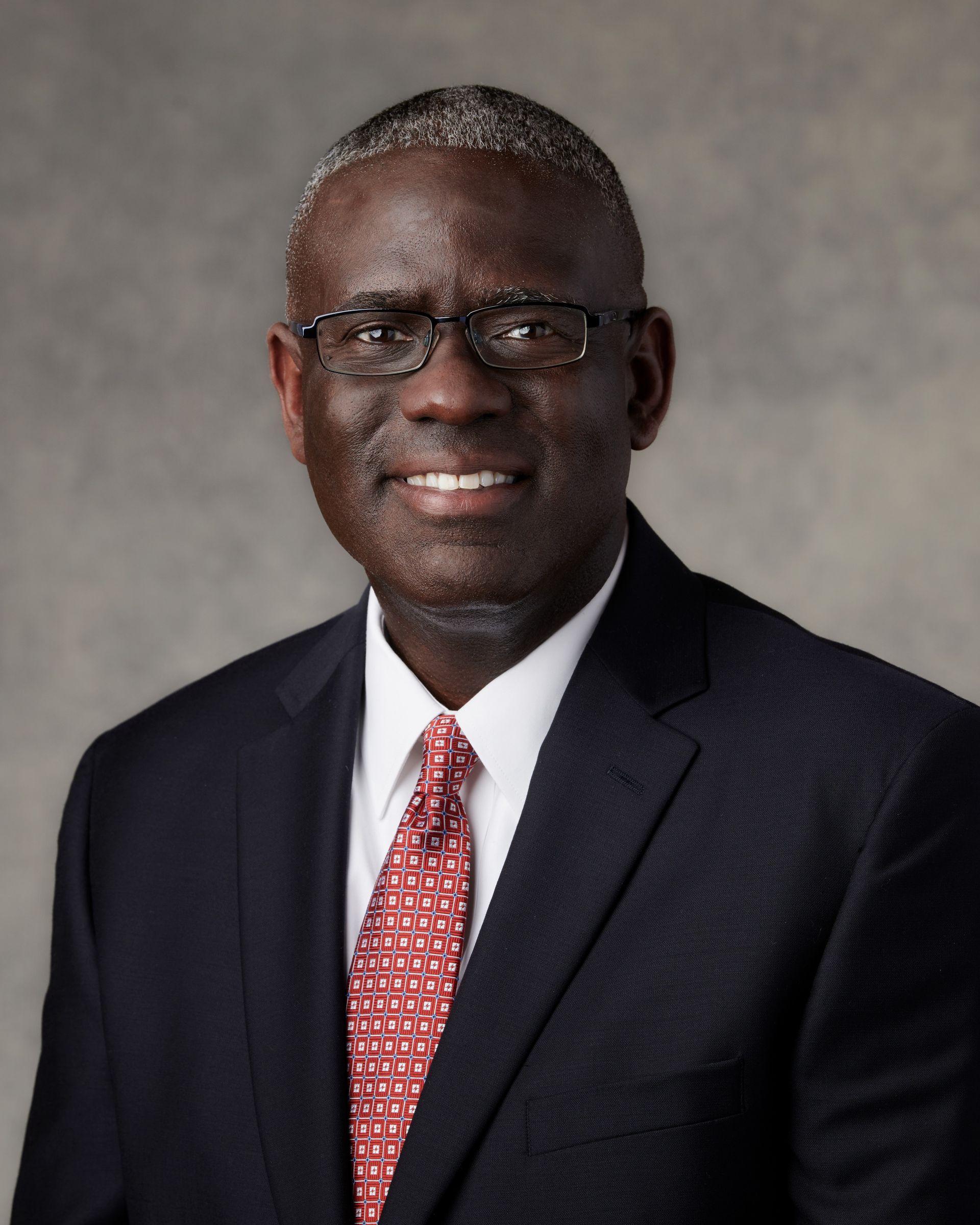
People Who Shaped Me: Peter M. Johnson
How President Peter M. Johnson Helped Me Discover Who I Could Become
People Who Shaped Me: Audra Yocom
From coding competitions to esports, Audra Yocom believed in her students—and that belief changed me.
People Who Shaped Me: Benjamin King
The Brother Who Taught Me to Aim Higher