
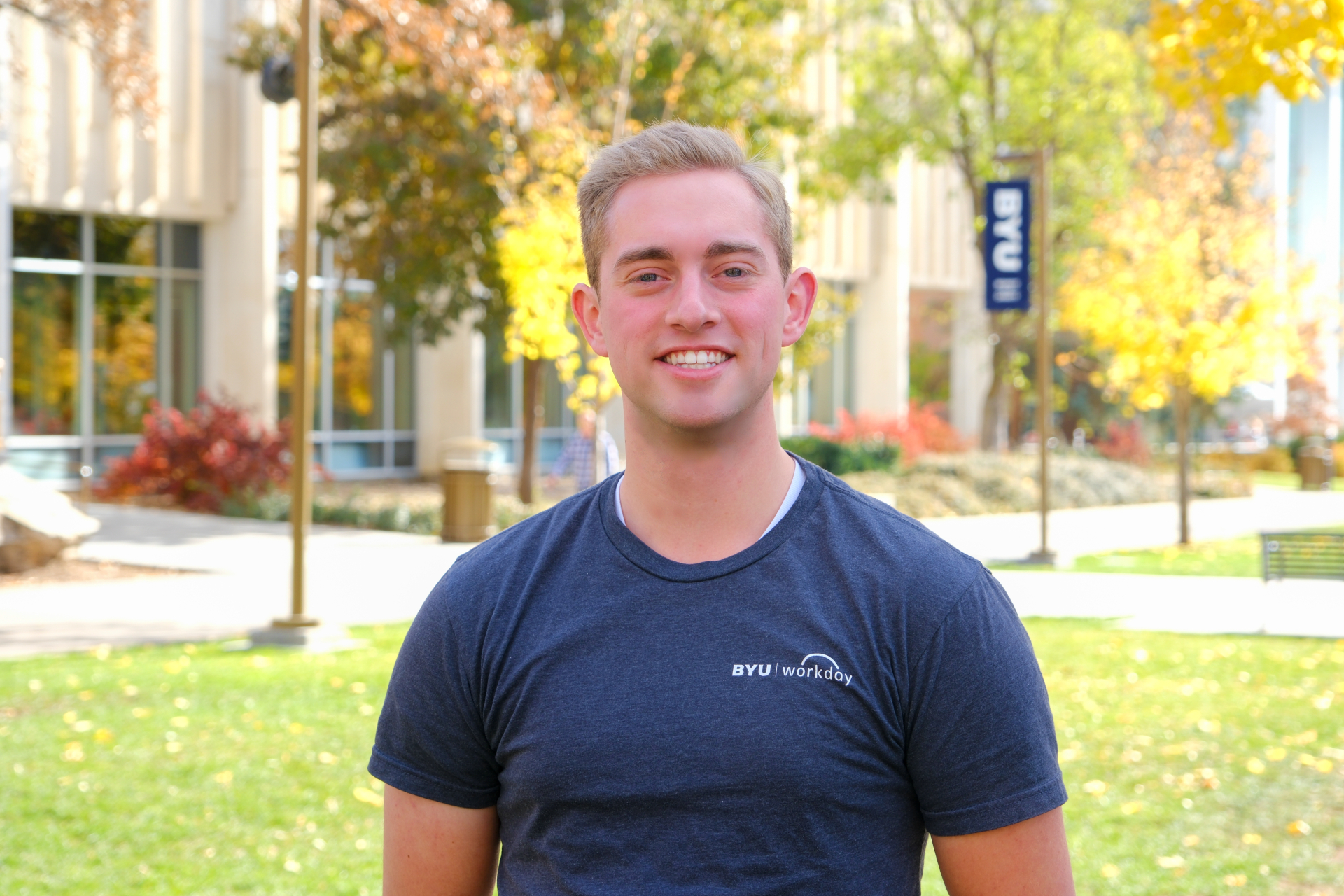
It all started in 8th grade, sitting at the family computer with my dad. He was teaching me how to code, and our first project was a simple program that held little bits of information about my family—birthdays, places they were born, things like that. From there, we moved on to a tic-tac-toe game. At first I leaned heavily on him, asking how to connect buttons to functions, but before long I was piecing it together on my own. When I finally finished and showed him, he was surprised at how quickly I had done it. That moment stuck with me.
A few years later, in 10th grade, I took a computer science class from my teacher Audra Yocum. That class gave me my first taste of how computers worked on the inside—motherboards, hardware, the basics. But what I really loved were the creative parts. We built websites, experimented with Scratch, and I ended up making a 3D puzzle game. Watching that little project come together gave me a thrill that just made sense. It felt natural, and it gave me the desire to keep building and bringing ideas to life.
Oddly enough, I didn’t code much during my junior year. Instead, I spent hours playing a game called Factorio. On the surface, it was about factories and automation, but I started to notice the deeper lessons. I had to make sure my designs were efficient so production could keep moving forward. I had to keep things modular so they could be expanded easily. I had to balance ratios and manage complexity. At the time, it was just fun, but later I realized I was teaching myself the same principles that guide software engineering.
By senior year, I found myself back in the thick of it. I joined my school’s Rocket League team, and once again Audra Yocum was our coach. I started building Excel sheets that pulled in data from websites and created tools that helped our team understand our opponents. That project reignited something in me. Around the same time, I had been watching videos from creators like SethBling and Code Bullet about reinforcement learning, and I decided I wanted to try it myself. The idea of building a Rocket League bot was too tempting to ignore. I found RL Gym and started training my bot. It wasn’t world-class, but it worked, and more importantly, it showed me how much potential this path had.
Then life took me in a new direction. I left for Manchester, England, to serve a two-year mission for the Church of Jesus Christ of Latter-day Saints. I didn’t expect to touch much code during those years, but the opposite turned out to be true. Early on, I helped build landing pages for mission advertisements, which gave me some hands-on experience. Later, I was assigned to the mission’s Tech Team, where we were the go-to problem solvers: IT support, marketing, photography, and more. One of the projects I was asked to create was an online reimbursement form for the mission. It was simple on the surface, but people loved it, and that reaction taught me something important. Software wasn’t just about making clever things—it was about creating tools that make people’s lives easier. That realization left a deep impression on me.
Since then, I’ve carried that perspective into everything I build. I’ve continued learning about software design, working on personal projects, and experimenting with ideas. But through it all, one thread has stayed constant: the belief that software is at its best when it improves the lives of the people who use it. From a tic-tac-toe game with my dad to the projects I’m working on today, that’s been my path into software engineering—and it’s the reason I keep going.
Keep reading
The Ultimate Reward: Champions/Chromatic Cup Drop Rates in Rocket League
Is the massive 20,000-credit Champions Cup the key to securing guaranteed painted Black Markets? We explore the top tier.
Unlocking the All-Star Cup: Rocket League Drop Rates Explained
Is the 12,000-credit All-Star Cup the best way to get Black Market items? We break down the item drop chances.
Is the Challenger Cup Worth It?
Stepping up from the Prospect Cup—here is everything you need to know about the Challenger Cup drop chances.